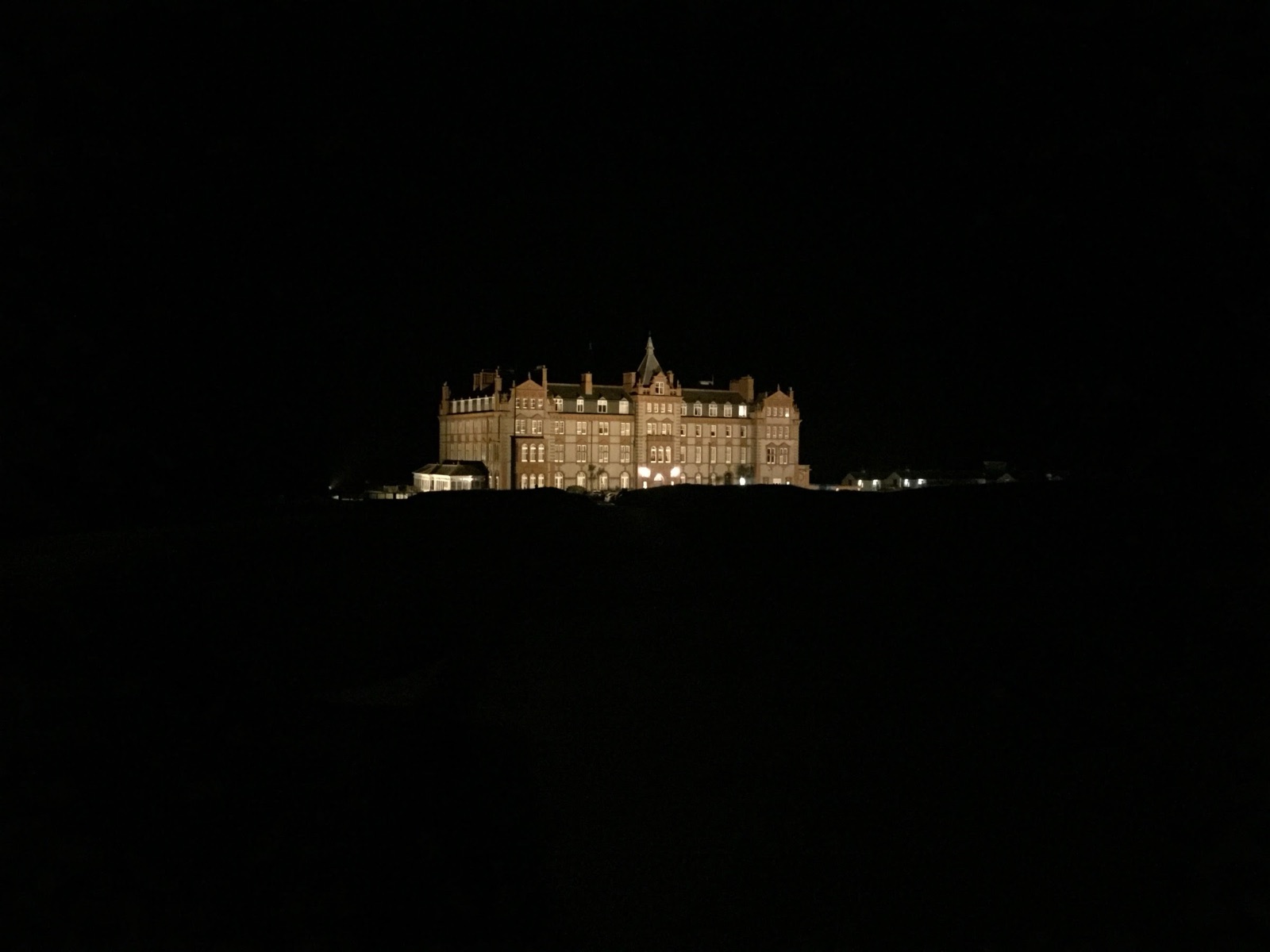
On Thursday 10 September 2026 the government is expected to give mayors in England the power to charge an overnight visitor levy: a percentage of the cost of a hotel, bed and breakfast or holiday let, with no upper limit set by Westminster. The details are due after the Housing Secretary meets the mayors. Hospitality trade bodies have already said jobs are at risk and put the cost at roughly £100 to £120 on a family holiday. The prime minister is presenting it as devolution: local leaders choose the rate, and local leaders choose what the money is for.
I run a hotel booking site, so I have a stake. I also wrote about Edinburgh's levy when it went live in July, and most of what I said then applies here with the numbers taken off.
A tourist is anyone who sleeps away from home
The dictionary is on the levy's side: a tourist is someone staying away from home, and the word says nothing about why. The levy takes that literally. It attaches to the room, not to the reason you are in it. A family from Leeds staying in Manchester for a hospital appointment pays it. A contractor in a Travelodge for a fortnight pays it. Someone from London visiting a parent in a care home in Bristol pays it, on the same terms as a visitor from Ohio. Edinburgh already works this way, and the reason is honest enough: nobody wants a receptionist checking your ID and asking why you are in town. The result is that UK residents become tourists the moment they sleep somewhere other than home.
Uncapped, and a percentage
Edinburgh's levy is 5 per cent and stops after five nights. Wales has fixed its rate at £1.30 per person per night from April 2027. New York, Amsterdam and Rome all charge, and several European cities cap theirs. The English proposal, as reported, has no ceiling. It is a percentage of the room price, which means it rises with the room and with the season, and it is charged before VAT is added on top, at 20 per cent. The opposition has called that a tax on a tax, and on the arithmetic they are right.
The government's argument is that a percentage protects budget stays, because 3 per cent of £60 is less than a flat £5. That is true. It is also true that a mayor with a hole in the budget and one lever to pull will pull it, and a percentage with no cap is the easiest lever there is.
The scheme is optional, in the sense that each mayor decides whether to switch it on. That is not much of a brake. Scotland gave every council the same choice: Edinburgh went first at 5 per cent, Glasgow has approved 5 per cent, Aberdeen has voted for 7. Manchester and Liverpool did not wait for the power and set up voluntary charges of their own. Nobody offered new money declines it, so the honest expectation is that the question is not whether each area charges, but how much, and how soon.
What a British holiday already carries in tax
Every purchase is made from taxed income, so "we have paid tax on it once" is not an argument against a levy on its own; it would rule out VAT on a sandwich. The stronger point is what a night's accommodation carries in particular. The room bears VAT at the full 20 per cent, where most of our neighbours put hotels on a reduced rate: 7 per cent in Germany, 10 per cent in France, Spain and Italy. The levy is then a percentage of that VAT-inclusive price, and VAT is charged on the levy as well, as Scotland's scheme already works. On a £120 room, a 5 per cent levy is £6, and the VAT on the levy is another £1.20.
Three stacked charges on the same room is the fair description. None is large alone. Together they are why a week in Cornwall already carries more tax than the same week in Brittany before any mayor has set a rate, and why an uncapped percentage on top is a heavier ask here than it is in cities that tax the room at 7 or 10 per cent to begin with.
What it means for anyone who sells a room
Here is the part I can speak to from the inside. A booking site has to know, for every property, four things: the rate, the date it starts, any cap, and who is exempt. Edinburgh gave us one set. Wales will give us twenty-two councils that can each decide whether to switch theirs on. England's version hands the decision to every mayor and strategic authority, with spending plans not due until March 2028, so the rates will arrive one by one over the next eighteen months, each on its own timetable.
Then there is who collects it. In Edinburgh the accommodation collects the levy at the property and passes it to the council, which is why it does not appear in the price on most booking sites, including mine. I show it as payable at the property, because that is the truth, and I would rather say "expect 5 per cent on top" than pretend the total is the total. Every extra scheme means another line of that kind, another set of rules for the hotel's own systems, and another chance for a guest to be surprised at reception. The regulators who spend their days attacking drip pricing, rightly, are about to preside over a patchwork of mandatory charges that most booking flows cannot show.
None of that is an argument against a levy. It is an argument for one national rulebook: who collects, how it is shown, and what is exempt, decided once, with the rate left local.
The people who are not tourists at all
This is the point I made about Edinburgh, and I will keep making it. Some of the people in hotel rooms tonight are there because they have nowhere else. People placed in a bed and breakfast because they are homeless. People who left an abusive home with what they could carry. People whose house is uninhabitable after a fire or a flood. Edinburgh exempts them on paper, but the exemption is claimed after the fact: pay the levy at the desk, then apply for it back, with documents, from a council office, in the week your life fell apart.
If England copies that model, the person least able to pay a tourist tax pays it first. A percentage levy with no cap makes the sum bigger, and a mayor-by-mayor system makes the exemption rules different in every city. The fix is not complicated. Exemptions should be applied at the point of booking or check-in, by category, without a refund process, and they should be the same everywhere. That should be in the bill before any rate is.
What I will do
When the powers arrive I will do what I did for Edinburgh: publish each area's rate, start date and cap on the destination pages, show the levy as payable at the property until hotels' own systems can include it, and say so before you commit. If a mayor gets the exemption right at the desk rather than by refund, I will say that too.
Sources: BBC News on the proposal, the City of Edinburgh Council visitor levy, and the Welsh Government's visitor levy. My earlier note: Edinburgh's visitor levy, explained.